
● PEDAGOGY & PLACE
Our approach
We build an environment where children grow with independence, confidence, and curiosity. Learning happens within a clear structure that supports focus and responsible engagement.
Our bilingual learning environments are inspired by Montessori principles and enriched by approaches from the Agazzi sisters and Malaguzzi, combined into one coherent framework.
Theatre, yoga, artisanal activities such as weaving and clay work, weekly chess sessions and nature-based learning foster creativity, concentration, emotional self-regulation, strategic thinking and real-life problem-solving skills.
How it works
We create a structured environment that supports independence, focus and responsibility, integrating:
-
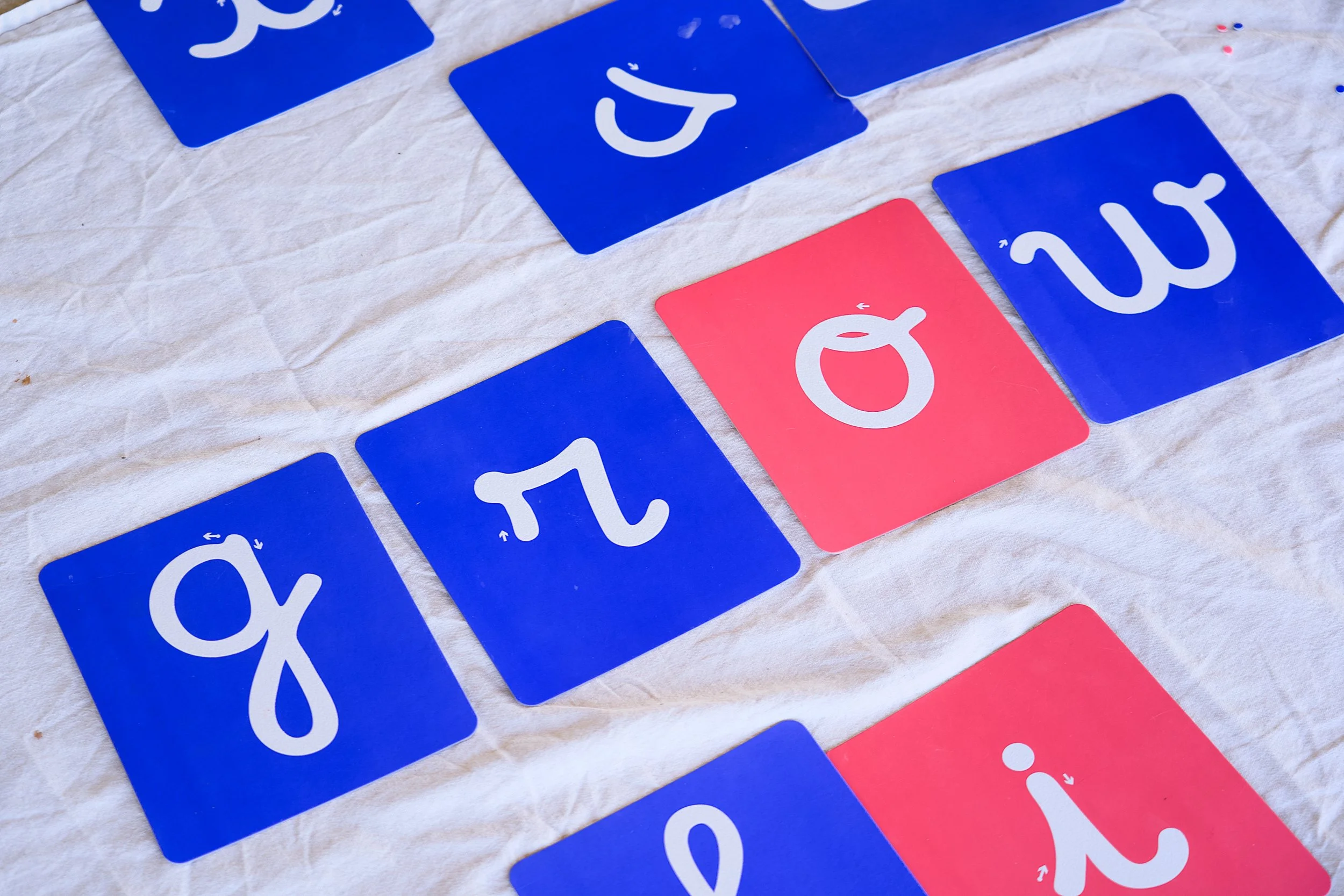
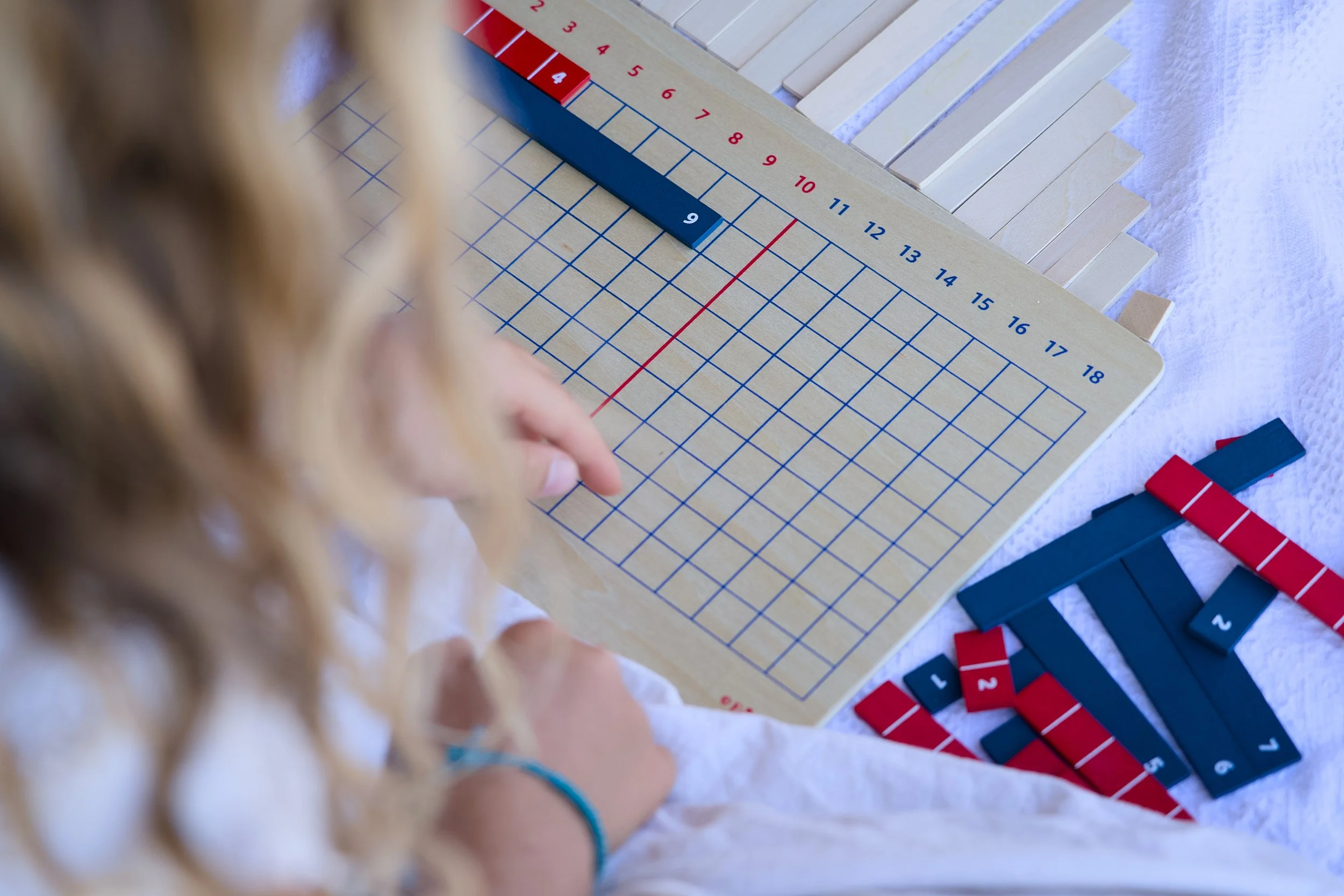
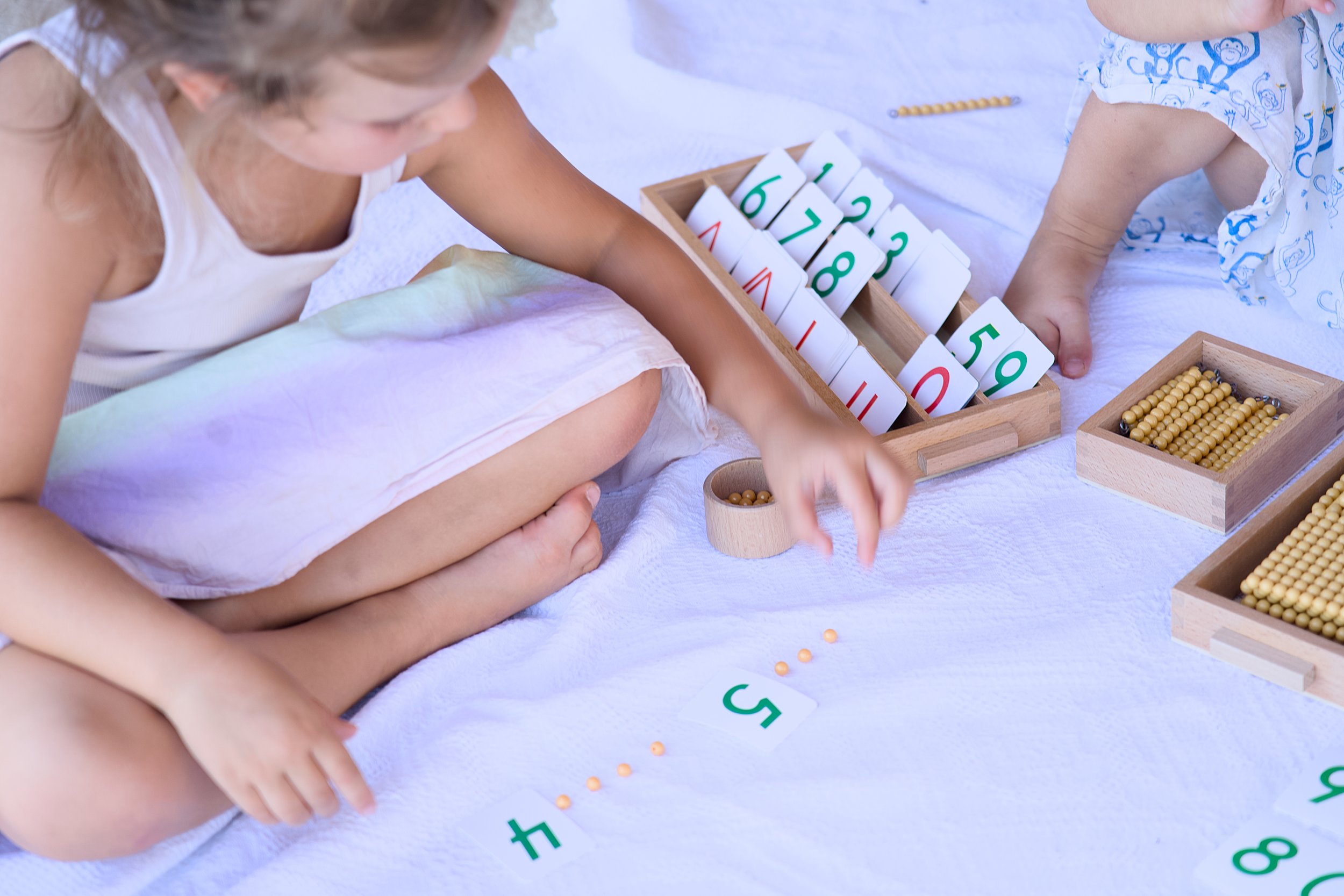
Originating in Italy through the work of Maria Montessori, Montessori pedagogy is rooted in a profound respect for each child’s natural development.
It encourages independence, curiosity and self-directed learning, allowing children to grow at their own pace within a thoughtfully prepared environment. Learning unfolds through hands-on experience, movement and exploration, supporting the child as a whole.
-
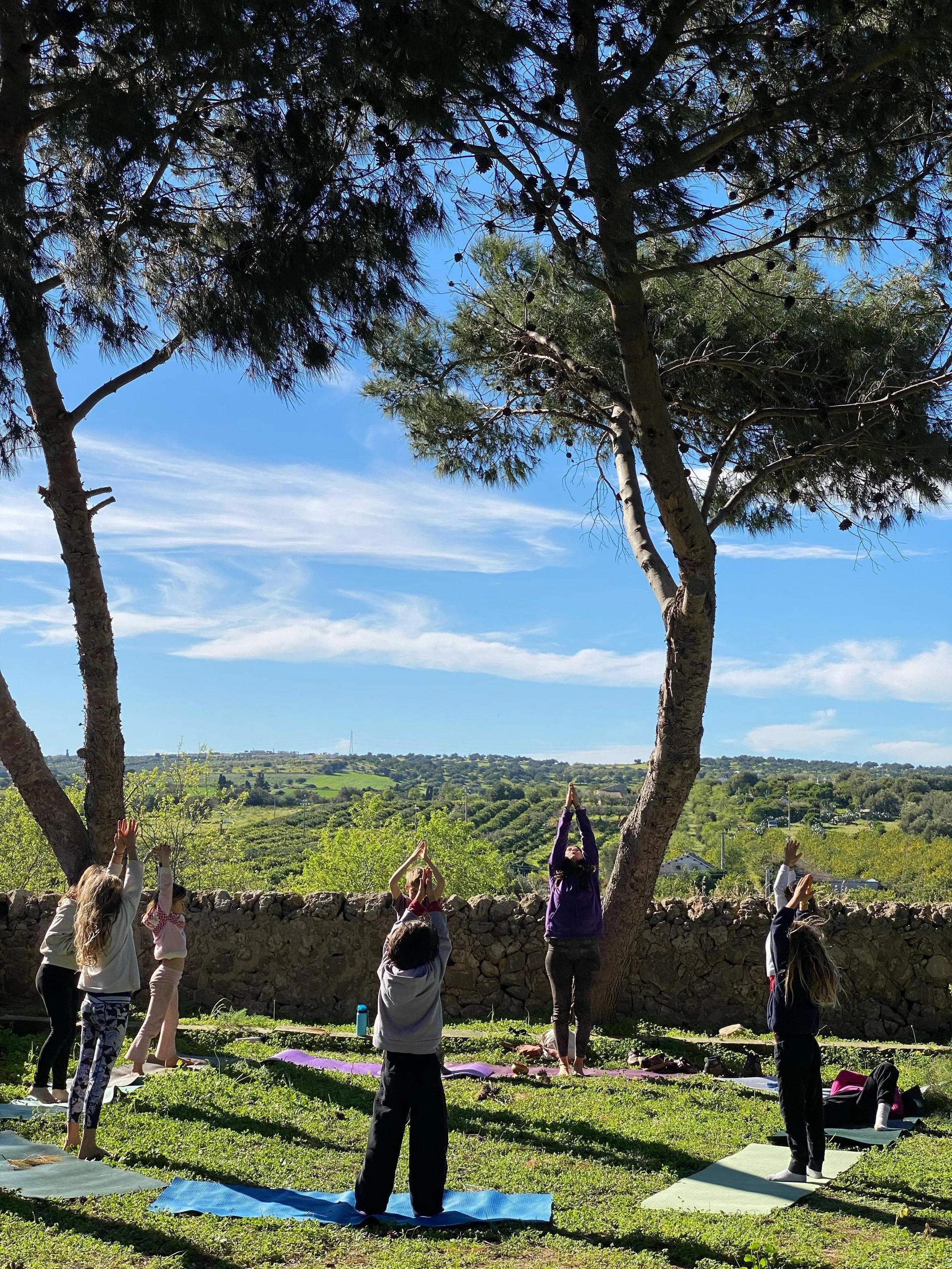
Daily contact with nature is a central part of the child’s development at GROW. Learning unfolds through direct experience, movement and exploration, allowing children to engage with the world in a tangible and meaningful way.
The outdoors becomes both environment and teacher, supporting curiosity, resilience and a deep connection to the natural world.
-
Alongside Montessori, we are gently inspired by elements of Waldorf and Reggio Emilia.
Their emphasis on rhythm, beauty in materials, creative expression and the environment as a living presence in learning complements our approach, offering children a more integrated experience.
The environment
Nature as the primary classroom
GROW is rooted within the lands of Agriturismo Il Roveto, a place of deep historical and natural value set in the heart of the Vendicari Natural Reserve, Noto Sicily. Spanning over 30 hectares of orange and olive groves, wild Mediterranean landscape and open access to the sea, the environment offers children an expansive and ever-changing space to explore and grow.
Outdoor learning areas are immersed in unique vegetation, under the shade of ancient olive, carob and pine trees with views stretching all the way to the coastline. On days of adverse weather or for specific learning needs, a dedicated indoor space is available.
Children learn in a space that is:
✤ Prepared and scaled to the child
✤ Structured but open
✤ Designed to support autonomy and responsibility
They choose their work within clear boundaries. Work happens individually or in small groups. Each child follows their own rhythm.
One approach, three stages
Our approach stays consistent, but deepens as our children grow.
-
Our Elementary project is located in the historic buildings of Roveto, as well as in outdoor classrooms across the land. Learning follows the Italian national curriculum, ensuring children are well prepared for state examinations at the end of their educational years.
With a teacher-to-child ratio of 1:8, we are able to offer attentive guidance, deep presence and strong, trusting relationships within the group.
We are also working towards introducing bilingual education, depending on teacher capacity.
The age where learning expands
Children begin to connect ideas, ask deeper questions and explore the world with curiosity and purpose.
What they experience
Long periods of deep focus
Interdisciplinary projects
Collaboration and dialogue
Space to think, question, and create
What they develop
Critical thinking and reasoning
Strong academic foundations
Creativity and expression
Social responsibility
A sense of connection to the wider world
Role of the teacher
Introduces ideas, supports inquiry, and helps children take ownership of their learning. -
Germogli's camp lives in the olive grove, under a big carrubo tree — half outdoors, half indoors, with children free to choose where they'd rather be. It's in this in-between space, moving between open air and shelter, that this age group spends most of their day immersed in nature.
Maria Rosa leads the group as Montessori guide, together with Valentina as assistant educator. The experience is bilingual, English and Italian.
In alignment with Montessori principles of attentive observation and respect for the individual child, we maintain a low teacher-to-child ratio of 1:8. This allows for deep presence, individualized guidance, and the nurturing of trusting, meaningful relationships within the group.
The age where independence begins
Children learn by doing. Through repetition and exploration, they build focus, coordination, and confidence.
What they experience
Meaningful, hands-on work
Freedom within clear boundaries
A calm, prepared environment
Time to repeat and master
What they develop
Independence and responsibility
Language and early literacy
Mathematical thinking
Sensory awareness
Care for self and environment
Role of the teacher
Guides quietly, observes closely, and supports each child's natural development
A day at Germogli
8:30 / 9:00 Arriving
9:15 Montessori work / Education in Nature
12:00 Lunch
13:00 Free play
13:30 Quiet time
14:00 Education in Nature
15:30 Circle Time – Goodbye
15:30 / 16:00 Pick-up
-
Contact us if you are interested.
Meet your educational team
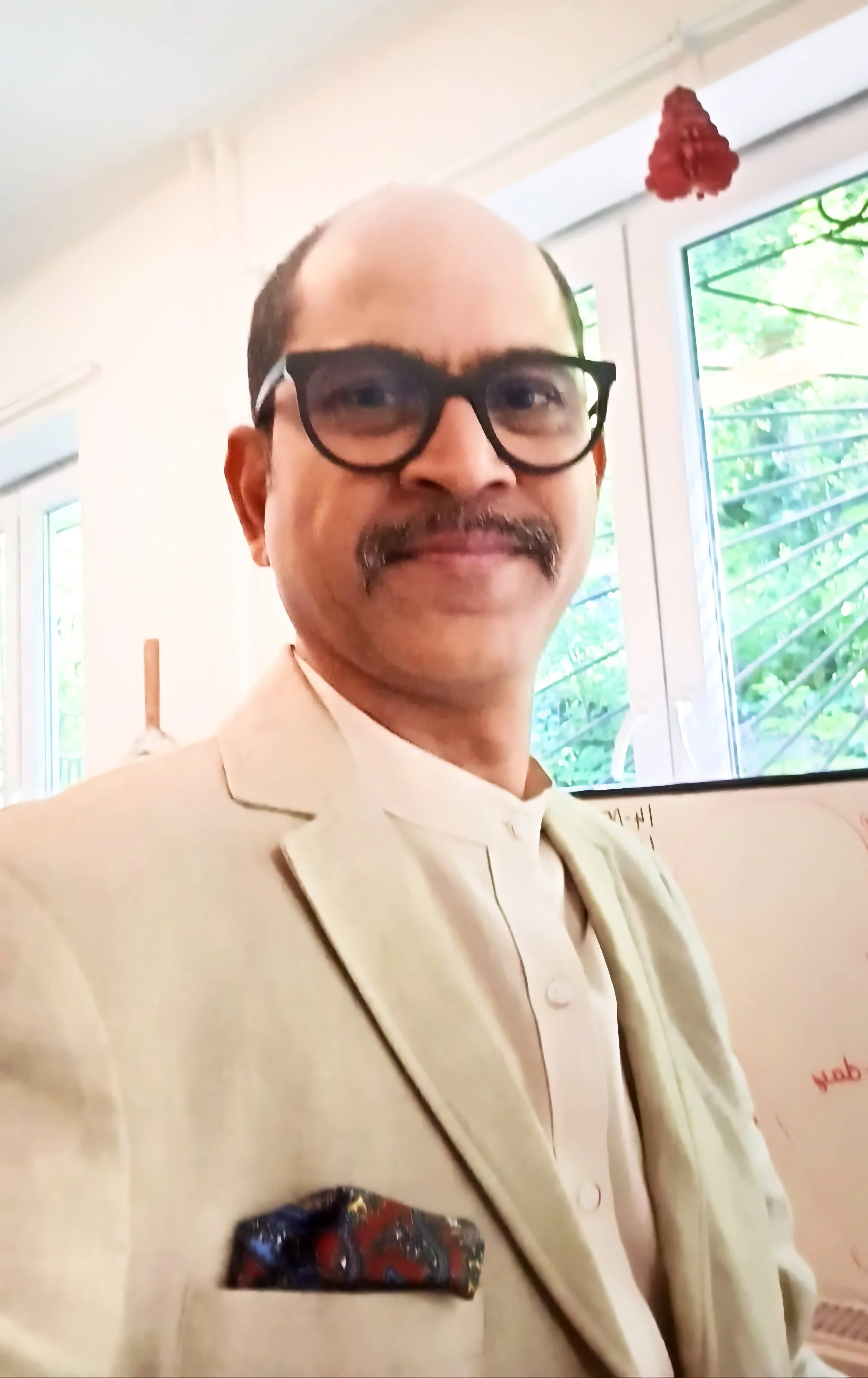
Ronald
Senior AMI Montessori Guide
Elementary (Fiori di Campo)
Following the Child's pace is my guiding principle. Ronald is a trained and experienced AMI Elementary Guide [6-12yrs] and comes from India. He is proud to belong to a family of Teachers as his Mother, Wife and two Sisters' have all been in the Teaching profession for long.
Ronald also has a Bachelor's degree in Science and majored in Chemistry and enjoys teaching Mathematics and Science. In his free time he loves reading, travelling, listening to music and is comfortable spending time with pets and animals. Ronald is committed to creating a wonderful learning environment for the children under his care.
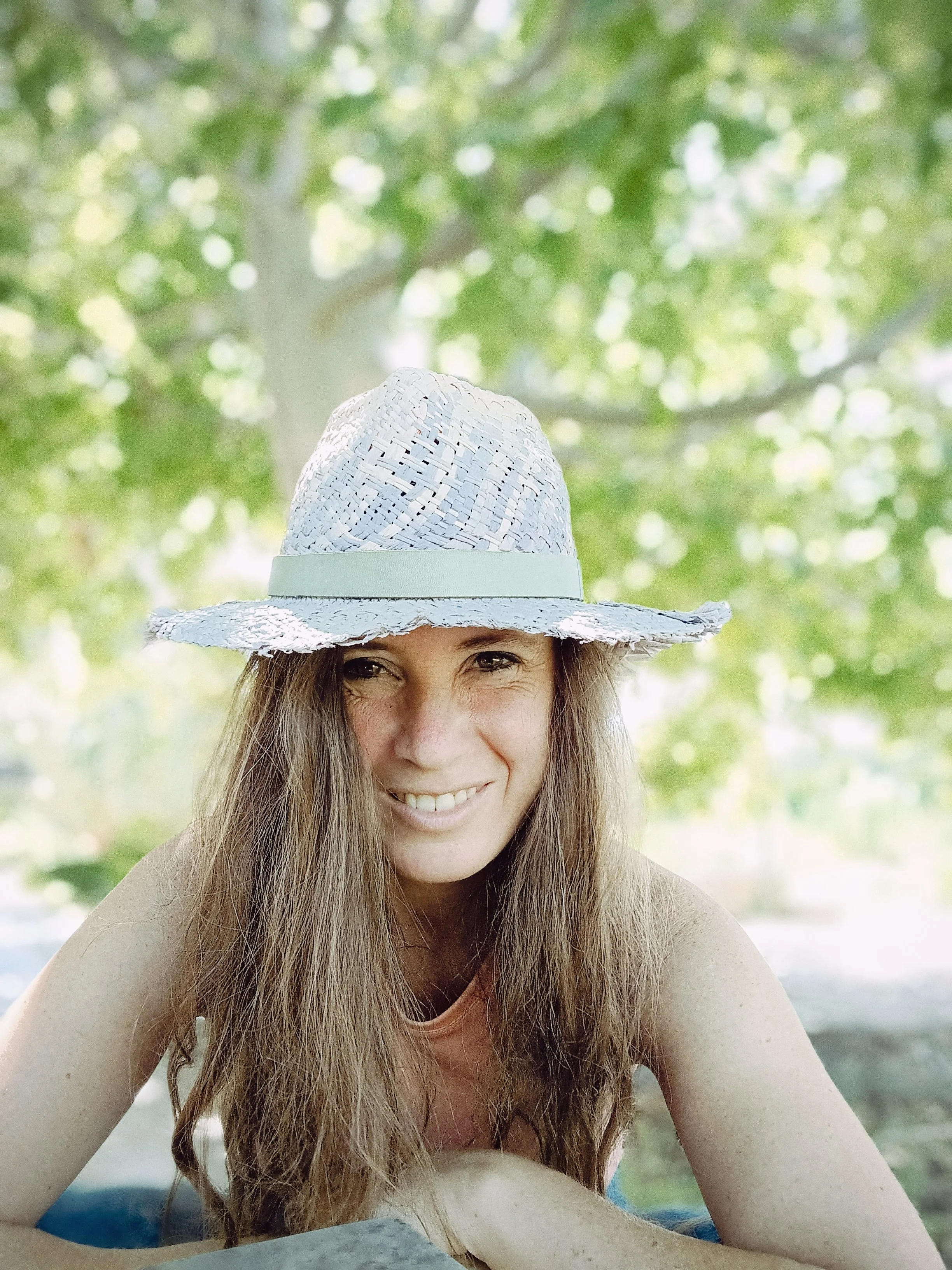
Damiana
Montessori Assistant/Creative and Nature Educator Elementary (Fiori di Campo)
Degrees in Educational Sciences (early childhood) and in Flute Performance, with classical studies and theatre training; over a decade teaching music and learning support in educational settings around Palermo, followed by teaching roles in alternative and homeschooling projects near Noto. Creator of her own hands-on educational projects in textile crafts, plants and eco- materials, and kitchen gardening for children aged 5–10.
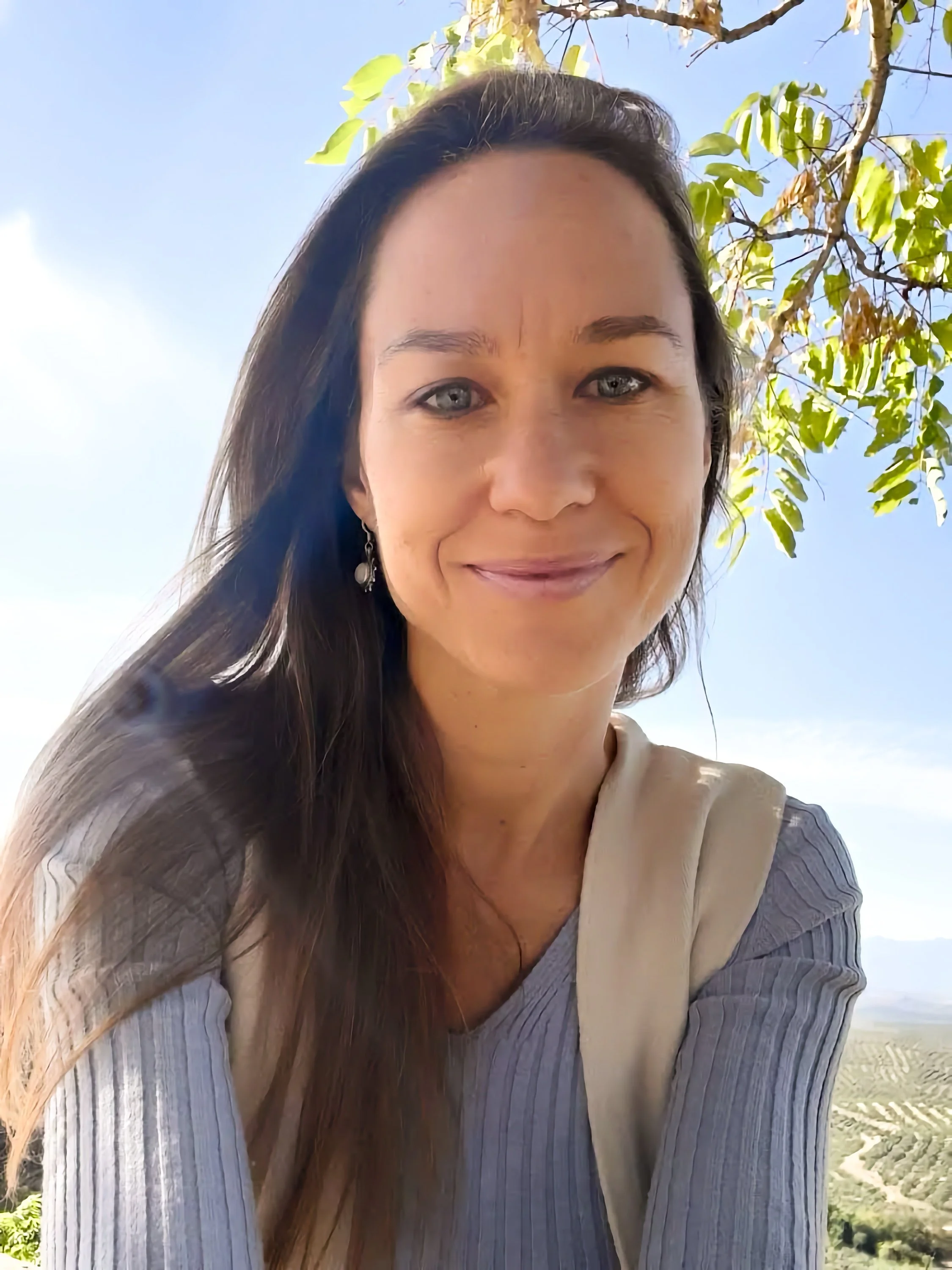
Maria Rosa
Senior AMI Montessori Guide
Children’s House (Germogli)
«On every teacher and every parent, I urge not great instruction, but humility and simplicity in dealing with small children. Their lives are fresh, without rivalry or external ambitions, it takes so little to make them happy, to let them work in their own way towards the normal development of the men and women they will be.» Maria Montessori
María Rosa brings nine years of experience as an AMI-trained Montessori Directress (2.5–6), having guided children across schools in Spain, the UK, Poland, Japan, and Puerto Rico, alongside additional training in Assistants to Infancy and a deep grounding in yoga, positive discipline and non-violent communication.
Originally from Spain and with a background in physical education and sport, she found her calling in Montessori philosophy in 2012 and has been dedicated ever since to creating peaceful, holistic environments where children can lead the way.
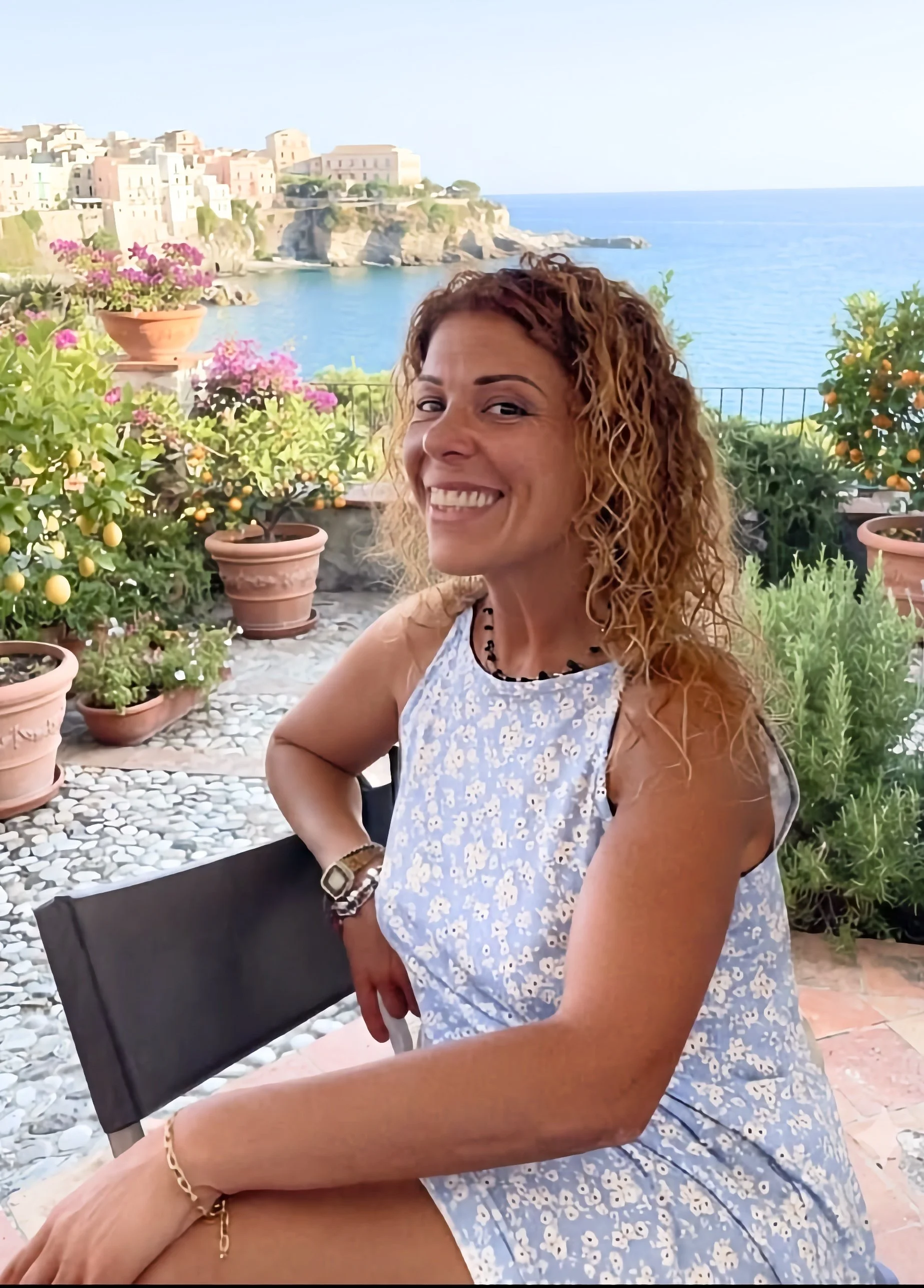
Valentina
Montessori Assistant/Outdoor Educator
Children’s House (Germogli)
Valentina's path into education began as a desire to accompany children in their growth and as a search for a way of teaching truly in tune with her values. After a Diploma in Social Sciences, she built her experience across educational and school services, including a role as an Autonomy and Communication Assistant that deepened her understanding of inclusion, individual needs and supporting each child's own path.
Discovering GROW marked an important turning point: here she found an approach that feels deeply her own: rooted in relationship, listening, respect for each child's pace, and learning through experience, discovery, and nature. She continues training in methods aligned with this vision, including the Gordon Method, Non-Violent Communication and the Pedagogy of the Snail, believing an educator never stops learning.
What she loves most are the simplest moments: an unexpected question, a discovery in the woods, a look that says "I did it." For Valentina, educating means walking alongside children with respect and authenticity, always searching for answers together with them.

Elora
Montessori Educator Intern
Children’s House (Germogli)
Elora is an environmentally-minded educator inspired by the Montessori method and nature-based learning, with a focus on supporting children's autonomous development through experience and exploration.
Her path has taken her from environmental education at Parco Nord Milano leading nature workshops and summer camps for young children to teaching Italian and English to students with special educational needs at a school in Denmark, alongside a degree in Pedagogy and volunteer work supporting local communities in Portugal.